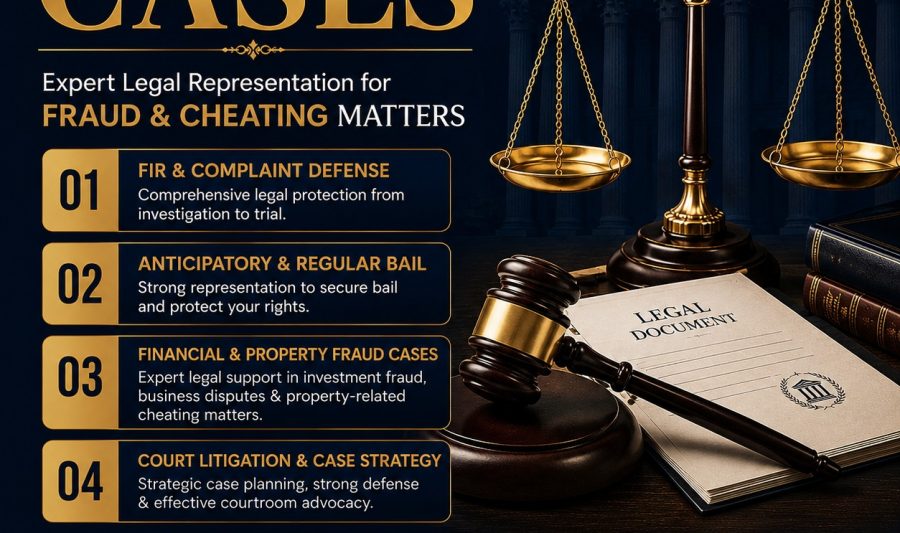
Cheating Cases in India: Legal Remedies, Procedure and Important Considerations
Cheating is a serious offence that can cause financial loss, emotional distress, and damage to personal or business relationships. In India, cheating cases generally arise when a person intentionally deceives another person and dishonestly induces them to deliver property, money, or take an action they would not otherwise take.
What Is Cheating?
Cheating involves deception combined with dishonest or fraudulent intention. Common examples include taking money by making false promises, fraudulent business transactions, impersonation, online scams, and misleading a person to obtain property or financial benefits.
A key factor in a cheating case is the intention of the accused. A simple failure to fulfil a promise does not automatically amount to cheating. The circumstances and intention existing at the time of the transaction are important.
Common Types of Cheating Cases
Cheating allegations may arise in various situations, including:
- Financial and investment fraud
- Business and commercial disputes
- Property and real estate transactions
- Online and cyber fraud
- False employment or loan promises
- Fraudulent agreements and transactions
- Identity and impersonation fraud
- Matrimonial or relationship-related financial deception
What Legal Action Can Be Taken?
A person who believes they have been cheated can approach the police and submit a detailed complaint along with supporting evidence. Depending on the facts, an FIR may be registered and the matter may proceed through investigation and criminal proceedings.
Important evidence may include bank statements, agreements, invoices, emails, WhatsApp conversations, call records, payment receipts, screenshots, and other documents showing the alleged deception.
Role of a Cheating Case Lawyer
A lawyer can assess whether the facts disclose a criminal offence and help prepare a legally appropriate complaint. Legal representation may also be important during investigation, bail proceedings, trial, or related civil and commercial disputes.
For an accused person, timely legal advice is equally important. A lawyer can examine the allegations, identify inconsistencies, and advise on appropriate remedies available under law.
Conclusion
Cheating cases often involve complex factual and financial issues. Prompt collection of evidence and proper legal advice can make a significant difference. Anyone facing a cheating allegation or suffering financial loss due to fraud should seek professional legal assistance at an early stage.
Legal outcomes depend on the facts and evidence of each case. This article is for general informational purposes and does not constitute legal advice.