Civil Litigation in India: Understanding the Legal Process and Remedies
Civil litigation involves legal disputes between individuals, businesses, organisations, or other entities concerning rights, obligations, property, contracts, money, or other civil matters. Unlike criminal proceedings, civil cases generally focus on resolving disputes and securing remedies such as compensation, injunctions, declarations, or specific performance.
Common Types of Civil Litigation
Civil litigation in India may arise from several types of disputes, including:
- Property and land disputes
- Contractual disputes
- Recovery of money and debts
- Partnership and business disputes
- Injunction matters
- Specific performance of contracts
- Succession and inheritance disputes
- Defamation claims
- Landlord-tenant disputes
- Construction and commercial disputes
How Does a Civil Case Proceed?
A civil case generally begins with the filing of a plaint before a court having appropriate jurisdiction. The defendant receives notice and files a written statement in response. The court may then frame issues, record evidence, hear arguments, and pronounce judgment.
Depending on the nature of the dispute, parties may also explore mediation or settlement before the matter reaches final judgment.
Importance of Proper Legal Representation
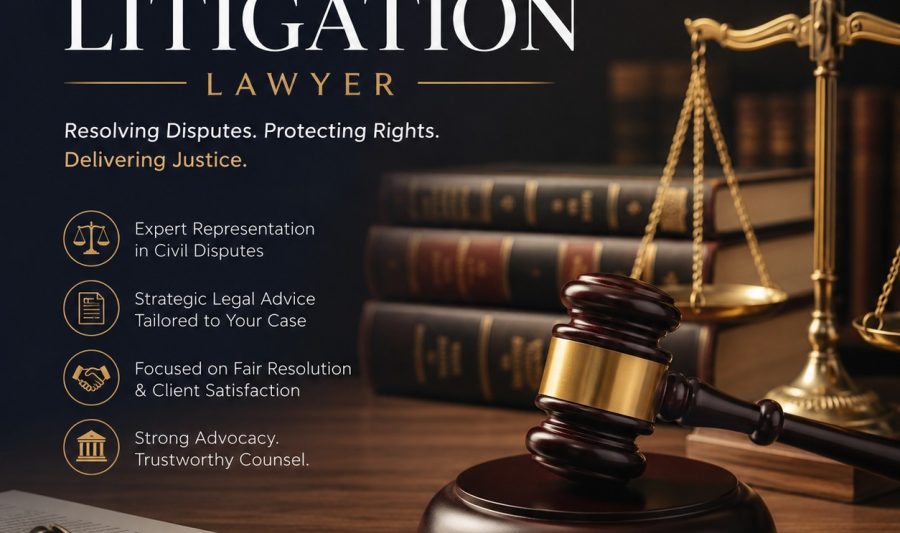
Civil litigation can involve detailed pleadings, documentary evidence, limitation requirements, jurisdictional questions, and procedural rules. An experienced civil litigation lawyer can assess the facts, identify appropriate legal remedies, prepare pleadings, represent the client before the court, and develop a suitable litigation strategy.
Choosing the Right Civil Litigation Lawyer
Before engaging a lawyer, consider their experience in handling similar disputes, understanding of the applicable law, court experience, communication, and approach to dispute resolution. Early legal advice can also help preserve evidence and avoid procedural mistakes.
Conclusion
Civil litigation provides a legal mechanism for protecting rights and resolving disputes. Understanding the applicable law, limitation period, jurisdiction, evidence requirements, and available remedies is important before initiating or defending a civil case. Professional legal guidance can help parties make informed decisions throughout the litigation process.